Insurance can feel like its own language — full of jargon, numbers, and fine print. But behind the complexity lies a simple truth: your homeowners insurance declaration page is the clearest snapshot of what you’re actually covered for. In today’s volatile California insurance market, understanding this single document can mean the difference between financial security and devastating surprise.
Insurance expert Karl Susman, host of The Insurance Hour, breaks down what every homeowner needs to know about their declaration page and how to use it to make smarter, safer coverage decisions.
What the Declaration Page Really Is
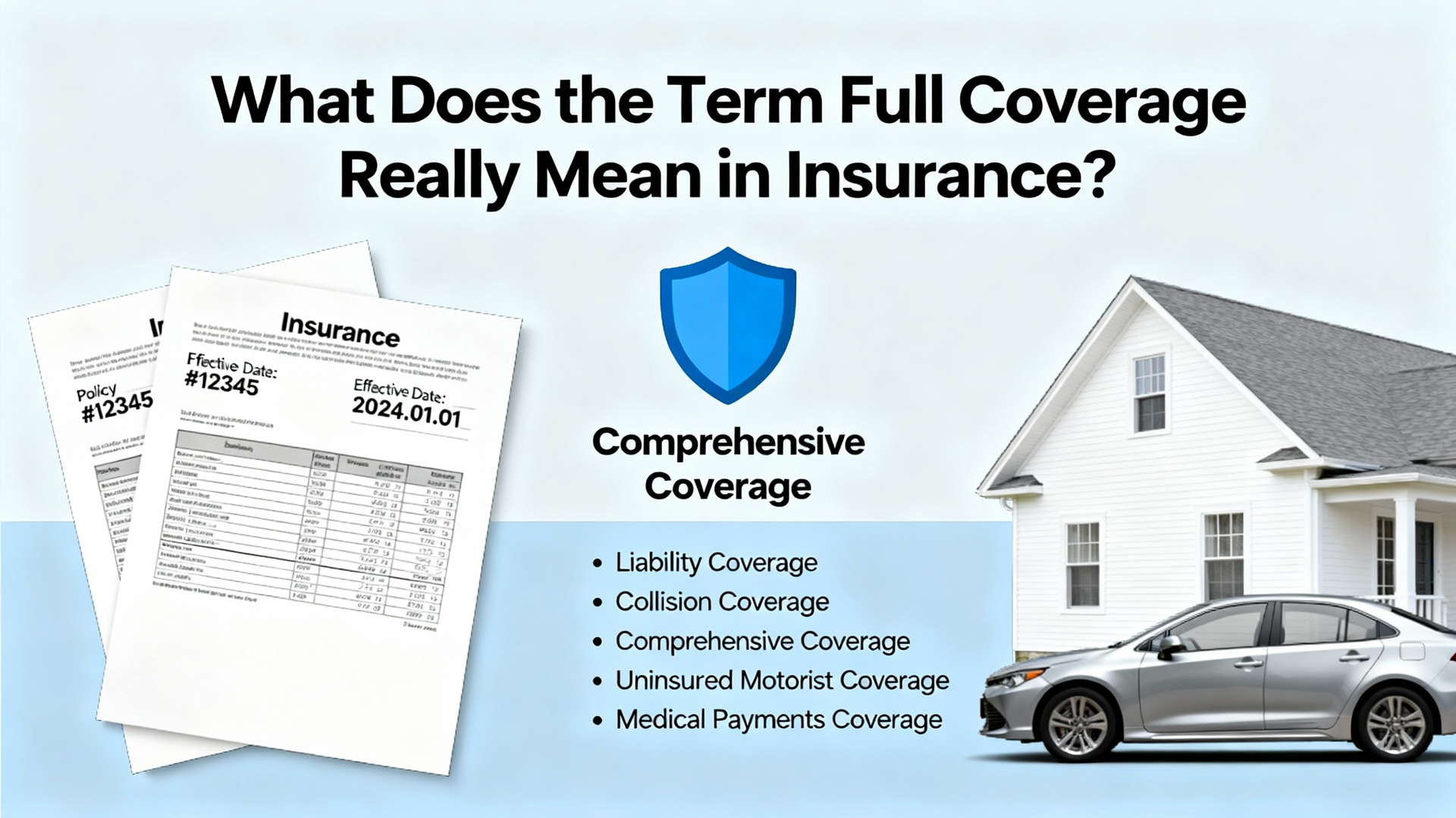
Every homeowners insurance policy begins with the declaration sheet (often called the “dec page” or “deck page”). This is not generic paperwork — it is the personalized summary that makes the policy yours. While the policy form contains standardized legal language, the declaration page customizes that contract to your specific home and coverage.
Your declaration page lists:
- Policy number
- Policy period (start and end dates)
- Named insureds
- Property location
- Insurance company and policy form
- Coverage limits and deductibles
Even small errors here can create big problems during a claim. Always confirm that your name, address, and policy dates are accurate. If the house has multiple street addresses or sits on a corner lot, clarity on the insured location is critical.
Dwelling Coverage: Protecting the Structure
Dwelling coverage is the foundation of your homeowners policy. It represents the maximum amount your insurer will pay to rebuild or repair your home after a covered loss.
This number must account for:
- Construction labor and materials
- Architectural and engineering fees
- City permits and inspections
- Demolition and debris removal
In a disaster affecting many homes at once, rebuilding costs often spike. That’s why many policies offer
extended replacement cost, which increases your dwelling limit by 25% to 50% above the stated amount.
Don’t rely on extended replacement cost as a substitute for proper insurance. It’s meant to protect against post-disaster inflation, not correct chronic underinsurance.
Personal Property Coverage: Everything Inside Your Home
Personal property coverage insures what’s inside your house. A simple way to visualize it is this: if you removed the roof and shook the house, everything that fell out would fall under personal property coverage.
This includes:
- Furniture and appliances
- Clothing and electronics
- Household goods and decor
Most homeowners dramatically underestimate the value of these items. Replacing everything at current market prices adds up fast. High-value items like jewelry, collectibles, and fine art often require
scheduled endorsements for full protection.
If it takes special care to replace, it likely needs special coverage.
Other Structures: Coverage Beyond Your Main Home
Other structures coverage applies to detached items such as:
- Garages
- Sheds
- Fences
- Guesthouses
- Pools and pool houses
This limit is usually 10% to 20% of your dwelling coverage but can be increased if you’ve built or added significant detached structures.
If you rent out a guesthouse or ADU — even occasionally through platforms like Airbnb — you must disclose this to your insurer. Undisclosed rental activity is considered a business exposure and can void your policy entirely after a loss.
Additional Living Expense (Loss of Use) Coverage
If a covered loss makes your home unlivable,
Additional Living Expense (ALE) coverage helps you maintain your standard of living during repairs.
ALE typically pays for:
- Hotel or temporary housing
- Extra food costs
- Storage
- Increased commuting expenses
Some policies set a fixed dollar limit, while others cover “actual loss sustained” for a defined time period, often 12 to 24 months. Given today’s long construction delays, homeowners should ensure their ALE limit reflects realistic rebuilding timelines — not best-case scenarios.
Liability Coverage: Your Legal Safety Net
Liability coverage protects you when someone is injured on your property or when you are legally responsible for damage to others.
It covers:
- Legal defense costs
- Court judgments and settlements
- Medical payments related to lawsuits
Many policies default to $300,000 in liability coverage, but that amount is often insufficient. Increasing liability limits is one of the most cost-effective ways to strengthen your financial protection. Most experts recommend at least $500,000 to $1 million.
For broader protection, an
umbrella policy can add $1–$5 million or more in additional liability coverage on top of your home and auto policies.
Why Replacement Coverage Changed Over Time
In the 1990s, many homeowners carried
guaranteed replacement cost, meaning the insurer rebuilt the home regardless of how high construction costs climbed.
After the Northridge earthquake revealed that massive underinsurance was widespread, insurers eliminated guaranteed replacement cost to protect their financial stability. Today’s equivalent is
extended replacement cost, typically capped at 25% to 50% above the dwelling limit.
This shift reshaped how homeowners must think about coverage: accurate valuation now matters more than ever.
Why You Must Review Your Declaration Page Every Year
Most homeowners only read their declaration page when they first buy the policy. That’s a costly mistake. Construction costs, personal property values, and risk profiles change constantly.
Review your declaration page annually to confirm:
- Adequate dwelling and personal property limits
- Discounts that may have expired
- Address accuracy
- Updated property use (guest units, pools, rentals)
- Realistic deductibles
Even a simple clerical error — such as the wrong property address — can delay or jeopardize a future claim.
Why Understanding Your Coverage Matters More in California
California’s insurance market is under exceptional pressure from wildfire risk, rebuilding inflation, and limited carrier availability. Policies are harder to secure and more expensive to replace once lost.
Homeowners must clearly understand:
- What perils are excluded (flood and earthquake usually require separate policies)
- How deductibles impact out-of-pocket costs
- How to reach their insurer or agent quickly after a loss
In today’s market, blind reliance on minimum coverage is no longer safe.
Final Thoughts: Your Declaration Page Is Your Roadmap
Your homeowners insurance declaration page is not just paperwork — it is a financial blueprint that determines how well your largest asset is protected.
As Karl Susman reminds homeowners:
“If you don’t know what your numbers mean, you’re gambling with your coverage. The declaration page is your roadmap — study it, ask questions, and make sure it reflects your reality.”
Insurance works best when it is understood before it is needed. Annual reviews, accurate limits, and honest disclosures ensure that when the unexpected happens, your policy does exactly what it was designed to do: protect your home, your finances, and your future.